


The State of UK Horse Racing: What Happens When Events Aren’t On?
The thrill of horse racing captivates millions, but what happens when UK Horse Racing Not on GamStop horse racing not on Gamban? In the UK, horse racing is not just a sport; it’s a tradition deeply woven into the fabric of culture and economy. However, events may occasionally be canceled due to various factors such as weather conditions, health crises, or regulatory decisions. This article explores the ramifications when horse racing events are not held, the alternatives for both fans and participants, and a glimpse into the future of the sport.
The Economic Impact of Canceled Races
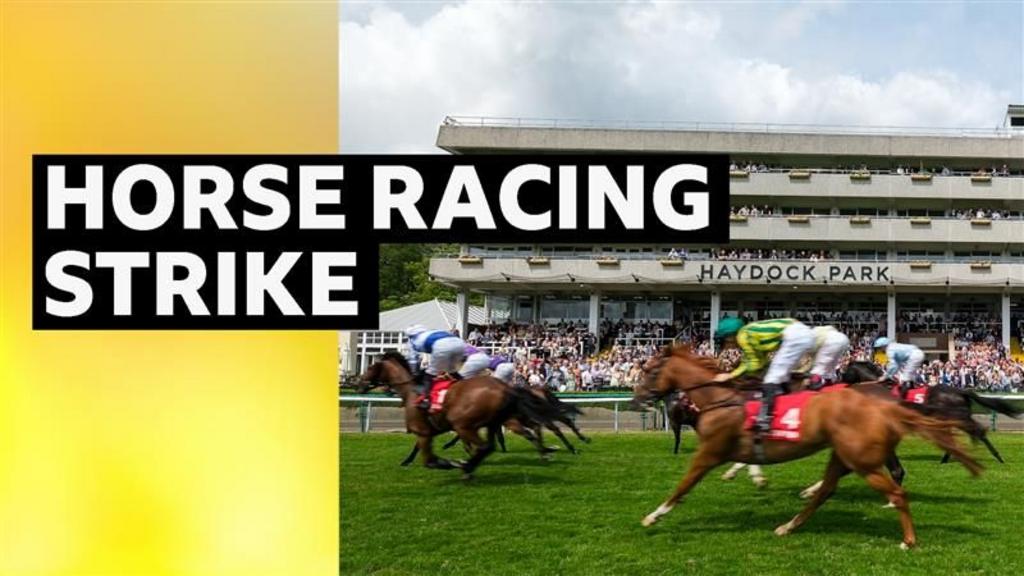
The economic implications of canceled horse racing events can be significant. Major race days contribute millions to the UK economy. For instance, events like the Grand National, Royal Ascot, and Cheltenham Festival attract not only thousands of attendees but also massive betting amounts. Once these events are off the cards, it leads to a domino effect impacting various sectors.
Local Businesses
Local businesses surrounding racetracks suffer when horse racing is postponed or canceled. Pubs, restaurants, hotels, and shops often see a decrease in revenue as visitors from near and far flock to race events. With fewer visitors, these establishments may face financial struggles, especially in smaller towns where racing is a primary source of income.
Employment and Jobs
Horse racing supports numerous jobs, from stable staff and trainers to hospitality workers. The cancellation of racing events can lead to temporary or permanent job losses in sectors dependent on the racing calendar. This reality is particularly hard on seasonal workers or freelancers who rely on race days for their livelihood.
Alternative Forms of Entertainment and Engagement
When horse racing is not on, fans often seek alternative forms of entertainment. There’s a growing trend in the digital space, with online platforms offering virtual experiences and races. Additionally, many racing enthusiasts turn to social media and online forums to stay engaged and share their thoughts about the sport, fostering a sense of community despite the absence of live events.
Virtual Racing
Virtual horse racing has gained traction as an alternative. With advancements in technology, fans can experience the excitement of horse racing from the comfort of their homes. Companies have developed virtual racing platforms that simulate real races using random algorithms, providing a unique betting experience that mimics the thrill of attending a live event.
Community Events and Alternative Sports
In the absence of horse racing events, many communities organize alternative sporting events or activities. These may include charity runs, local sports competitions, or festivals celebrating equestrian traditions. Such events foster community spirit and allow residents to engage with local culture beyond the racetrack.
The Future of Horse Racing in the UK
The future of horse racing in the UK remains promising, despite occasional setbacks. Industry stakeholders, including racecourses, trainers, and governing bodies, continually seek innovative ways to adapt to challenges. There’s a growing emphasis on sustainability and animal welfare in the racehorse industry, which are becoming crucial for retaining both spectators and participants.
Regulatory Changes
Changes in regulation may also impact the landscape of horse racing. With increasing concerns over racing ethics and animal welfare, governing bodies are implementing stricter guidelines to enhance the integrity of the sport. These changes aim to protect the welfare of the horses while maintaining public trust in the industry.
Adapting to Trends
The horse racing industry must also adapt to changing trends and preferences. Younger generations are more tech-savvy and are seeking engaging experiences that combine both entertainment and technology. Enhanced digital engagement, such as live-streaming events and interactive betting options, can attract a new audience to the sport.
Conclusion
The cancellation of horse racing events in the UK impacts numerous stakeholders, from local businesses to fans and participants. While these disruptions can cause significant economic strain, the resilience and adaptability of the horse racing community shine through. By embracing new trends and fostering community involvement, the industry can not only survive but thrive, ensuring that the rich tradition of horse racing continues for generations to come.
As we reflect on the state of UK horse racing and the times when events are not taking place, it is crucial for the community to unite, Innovate, and continue to foster the love for this prestigious sport.